Utilizing the Therapeutic Power of Aquatic Therapy for Optimal Fitness Recovery
Water-based treatment has become an essential part of current sports rehabilitation because it utilizes water to support the body’s natural restorative functions. Sport participants often experience muscle soreness, tissue swelling, and reduced mobility after intense workouts. By applying warm water, cold water, or a blend of both, hydrotherapy helps reduce these symptoms in a structured and targeted way. This form of water-based treatment supports blood flow, enhances relaxation, and offers a low-impact setting for therapeutic movements.
One of the most valued benefits of hydrotherapy is its capacity to improve blood flow. Heated hydrotherapy can dilate blood vessels, which supports the delivery of oxygen and nutrients to tired muscles. Cold-water immersion, often used after strenuous workouts, reduces swelling and muscle damage by cooling tissues and slowing inflammation. Many sports recovery systems now implement hot-cold immersion, which shifts between hot and cold water to stimulate accelerated recovery. These methods make hydrotherapy a flexible option for managing a variety of post-exercise conditions.
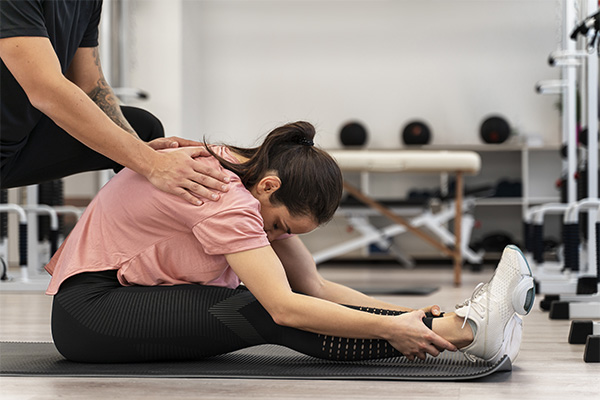
Hydrotherapy is also helpful for minimizing muscle tension and supporting mobility. Water’s natural buoyancy reduces the load on joints, allowing athletes to move more freely during rehabilitation sessions. This is especially useful for individuals recovering from musculoskeletal issues such as sprains, strains, or tendon issues. Underwater exercises, including light walking, flexibility work, and resistance movements, aid in restoring strength without adding extra pressure on healing tissues. Because of this, water-based rehabilitation has become a trusted technique in both physical therapy settings and athlete training facilities.
Another significant aspect of hydrotherapy is its impact in over at this website psychological recovery. Athletes frequently face stress from competition, training demands, and body strain. Heated aquatic therapy can aid in relaxation by soothing the nervous system, lowering muscle tightness, and promoting a sense of ease. This can enhance restfulness, focus, and overall athletic function. When paired with visit the site proper hydration, appropriate nutrition, and structured rest, hydrotherapy plays a valuable part in maintaining an athlete’s ongoing well-being.
Overall, hydrotherapy offers a practical and evidence-based approach to post-training rehabilitation. Through thermal therapy methods, water-supported motion, and enhanced vascular response, water treatment helps the body recover more effectively. As sports programs continue to emphasize recovery and injury prevention, hydrotherapy continues to be a reliable method for boosting performance and assisting individuals during both conditioning and rehabilitation.